Tamarindo looks like a sure bet for vacation rentals: year‑round surf, golden sunsets, and easy flights into Liberia. Yet once you dig into the data, the numbers can feel noisy and the seasons can swing. If you are weighing a second home or an income play in Tamarindo or Playa Langosta, you need a clear, local view. This guide shows you how supply, demand, seasonality, and property features translate into real performance, so you can choose the right strategy with confidence. Let’s dive in.
Market snapshot: supply and demand drivers
Tamarindo is a large and competitive short‑term rental market. According to AirDNA’s Tamarindo market snapshot, there are roughly 3,600 to 3,700 active listings, with most being entire homes. AirDNA reports an average occupancy near 48 percent and an average daily rate near 340 US dollars. Performance varies widely by location, bedroom count, and operator execution.
Connectivity supports demand. The region’s Liberia airport (LIR) recorded about 1.9 million passengers in 2024, with new routes highlighted in recent announcements. This Guanacaste airport passenger growth in 2024 strengthens access for U.S. and Canadian visitors, which lifts booking volume in Tamarindo.
The guest mix is primarily international. The United States leads, followed by Canada and other markets. A growing extended‑stay segment is also in play, helped by Costa Rica’s remote‑worker residence category. Airbtics’ Tamarindo report underscores the strong U.S. share and shows how methods and medians can differ by data source.
Seasonality and booking behavior
High, shoulder, and green seasons
Demand follows Guanacaste’s climate. The dry season from December through April is the core high season, with holiday weeks and Easter driving peaks. Shoulder periods often include late November and May. The wet or “green” season from roughly May to November is softer overall, and September is typically the slowest month. For climate and timing context, see Tamarindo’s dry and green seasons.
Occupancy patterns and lead times
AirDNA places market occupancy near 48 percent on average, but booking patterns swing sharply by month and by property type. High‑season dates often book well in advance, especially January. There is a meaningful long‑stay segment, and many operators set 30‑night minimums in slower months to stabilize income. These behaviors support hybrid strategies that mix short stays in peak months with longer bookings in shoulder and green seasons.
What this means for your calendar
- Protect high‑season weeks with optimized rates and strict minimums.
- Fill shoulder months with value adds, flexible policies, and targeted promos.
- In green season, court remote workers and long‑stay guests with monthly pricing.
Who rents in Tamarindo and Langosta
Primary origins
Most bookings come from the U.S., then Canada, with domestic travel filling select periods. This international tilt aligns with LIR connectivity and Tamarindo’s reputation for surf, dining, and easy logistics.
Guest segments that matter
- Families and multi‑family groups seeking 2 to 3 bedroom condos or 3+ bedroom homes.
- Surf travelers and active leisure groups who value proximity to breaks and gear storage.
- Couples and small groups who prioritize walkability to beach and restaurants.
- Privacy‑minded travelers who favor Playa Langosta or gated communities.
- Extended‑stay remote workers who need fast Wi‑Fi, a desk setup, and monthly discounts.
What outperforms: amenities and location
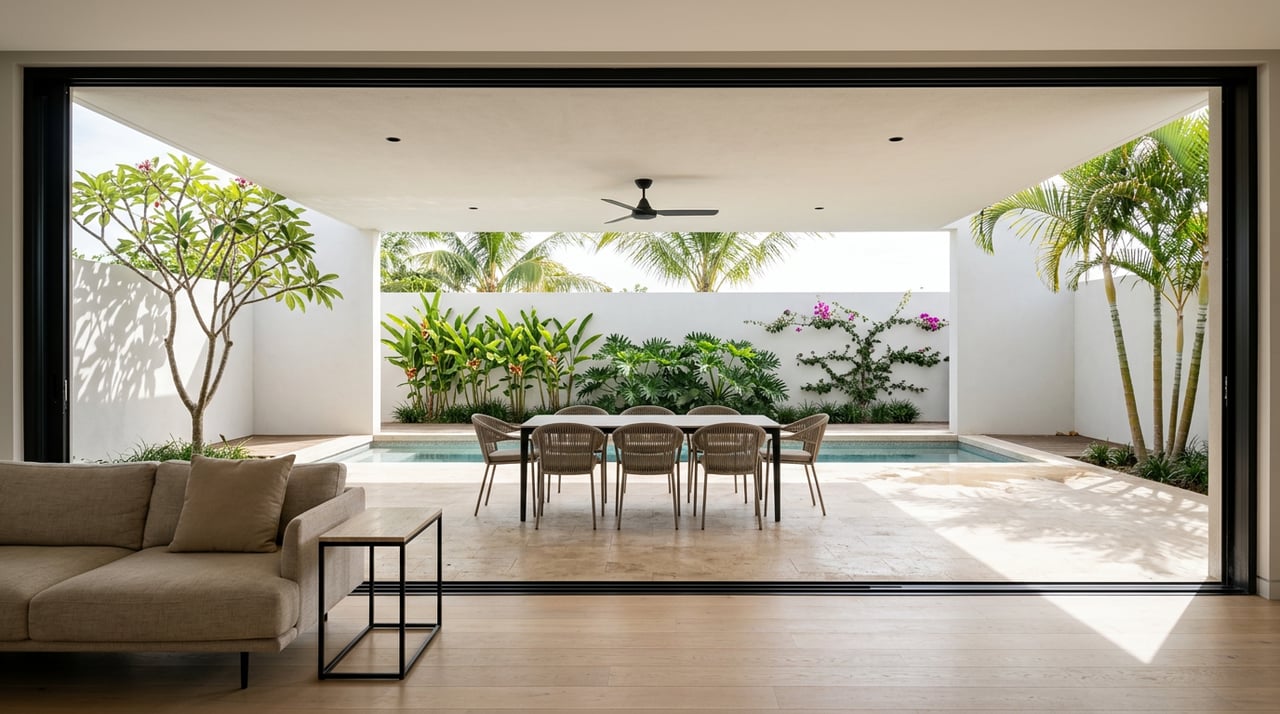
Properties that meet core guest expectations win more bookings and better reviews. In this market, reliable air conditioning and fast Wi‑Fi are baseline. A pool, modern kitchens and baths, parking, and private outdoor space drive conversion and repeat visits. Professional photography and responsive hosting also matter.
Location adds pricing power. Beach proximity, ocean views, and walkability to dining and activities lift ADR. Langosta and gated resort communities such as Hacienda Pinilla often command premiums due to privacy and resort‑style amenities, a trend seen in AirROI’s Tamarindo insights. Downtown Tamarindo can deliver faster booking velocity thanks to its walkable core.
Property types and pricing drivers
Listing mix
Tamarindo skews to entire‑home rentals, with a blend of condos and villas. One and two bedroom units are common, and well‑presented 3+ bedroom homes capture group and family demand at higher ADRs.
What moves ADR
- Beachfront or ocean‑view positioning
- Walkability to restaurants, surf schools, and nightlife
- Bedroom and bathroom count (and smart layouts for groups)
- Private pool and shaded outdoor living
- Strong Wi‑Fi and dependable AC in all sleeping spaces
- Security features and gated communities where relevant
- Professional photos, optimized copy, dynamic pricing, and high review scores
What the numbers mean for returns
Revenue ranges to model
At the market level, expect wide spreads. AirDNA shows average occupancy near 48 percent and an ADR around 340 US dollars. Some vendors report higher or lower medians based on their sampling. For example, Airbtics’ Tamarindo report cites a median annual revenue near 37,000 US dollars for its sample. Treat these as directional. Underwrite your exact street, building, and bedroom count using multiple sources.
A simple revenue frame is ADR times booked nights. Use conservative occupancy in underwriting, especially for non‑beachfront or inland properties. Market data suggests many typical condos land in the mid‑range of outcomes, while top 10 percent performers exceed the averages when everything lines up.
Costs you should expect
Operating costs can be significant on the coast and should be modeled monthly, not just annually. Line items usually include:
- Cleaning and turnovers, laundry, and linen replacement
- Electricity and water (AC drives power use; review ARESEP electricity tariffs)
- Pool and garden service, routine maintenance, and supplies
- Platform fees and insurance
- Property management fees if you do not self‑manage
Professional short‑term rental management in Guanacaste commonly runs about 18 to 30 percent of revenue, depending on scope. Review fee inclusions and caps. See a discussion of local STR management fee ranges for context.
Choosing a strategy: self‑use, STR, or hybrid
There is no single right answer. Match your plan to your lifestyle and risk tolerance.
- Self‑use first. You enjoy the home and accept lower rental income. Operations are simpler.
- Full STR focus. Highest revenue potential in prime locations if professionally optimized, with more volatility and more moving parts.
- Hybrid approach. Many owners block personal weeks and rent the rest. This can work well if you protect peak dates for income and fill slower periods with longer stays. Market patterns in AirROI’s Tamarindo insights support this blend.
Regulatory and HOA essentials
Before you buy or list, confirm the rules. Many condo associations have bylaws that govern minimum stays, noise, and guest registration. Costa Rica requires operators of non‑traditional lodging to register with the tourism authority and comply with municipal licensing and reporting. Review ICT’s guidance for non-traditional lodging to understand the process.
Infrastructure also matters. Local reporting has noted water, wastewater, and road capacity pressures during peak periods. This can affect operations and guest experience at a micro level. See local reporting on infrastructure capacity for background and be sure to diligence utilities for any specific property.
Your due diligence checklist
Use this list to turn market data into a property‑level plan:
- Pull comps for your exact building or street and bedroom count using multiple sources such as AirDNA’s Tamarindo market snapshot and AirROI’s Tamarindo insights. Compare ADR, occupancy, and seasonality month by month.
- Verify HOA or condo rules for rentals, guest policies, and any minimum stays.
- Map your calendar. Protect peak weeks and decide how you will handle owner blocks.
- Build a 12‑month P&L that separates high, shoulder, and green seasons. Stress test occupancy down and utility costs up. Reference ARESEP electricity tariffs.
- Price the management path. If hiring a manager, confirm service scope, fees, and maintenance caps. Use the context on local STR management fee ranges.
- Prepare for compliance. Review ICT’s guidance for non-traditional lodging and your municipal requirements.
- Inspect infrastructure. Ask about water supply, wastewater handling, and road access for the property to mitigate guest‑experience risk. See local reporting on infrastructure capacity.
Putting it together: how to position your asset
- Define your primary guest. Families, surfers, couples, or remote workers call for different layouts, furnishings, and policies.
- Deliver the must‑haves. Fast Wi‑Fi, reliable AC, a pool, and updated interiors are not optional for strong performance.
- Lean into your micro‑location. Beachfront and walkable core units can command rate premiums. Homes in Langosta or gated resorts can win on privacy and amenities. Market the lifestyle that matches your guest.
- Optimize the basics. Invest in professional photos, accurate and engaging copy, instant‑book readiness, and timely responses. Encourage 5‑star reviews that mention what future guests care about.
- Price dynamically. Use seasonal calendars and local comps to move rates with demand. Hold firm on peak weeks and stay competitive in green season.
If you want a curated view of the best rental‑capable homes and villas in Tamarindo and Langosta, along with neighborhood insight and tour logistics, our team provides private, principal‑led guidance. Start with a one‑on‑one conversation and a focused set of options that fit your goals. Request a Private Consultation with Luxury Properties Costa Rica.
FAQs
What are typical occupancy and ADR for Tamarindo vacation rentals?
- Market reports such as AirDNA show average occupancy near 48 percent and ADR around 340 US dollars, with wide variation by location, size, and execution.
When is high season for Tamarindo rentals?
- The dry season from December through April is the core high season, with holiday weeks and Easter peaking, while September is often the softest month.
Which amenities matter most for Tamarindo or Langosta rentals?
- Reliable AC and fast Wi‑Fi are baseline, and a pool, modern kitchens and baths, parking, and private outdoor space help drive higher rates and reviews.
How much do professional STR managers charge in Tamarindo?
- Short‑term rental management commonly ranges from about 18 to 30 percent of revenue, depending on services included and portfolio scale.
Do I need to register my vacation rental in Costa Rica?
- Yes, non‑traditional lodging must register with the tourism authority and comply with municipal licensing and reporting, plus any HOA or condo rules.
